

The Arid Bilge System is the industry’s premier solution to the universal headache of a wet, odor-filled bilge. Noank Village Boatyard is a proud Arid Bilge Systems dealer, and our Arid-Certified technicians will design and install the Arid System to best suit your individual vessel.
The Problem
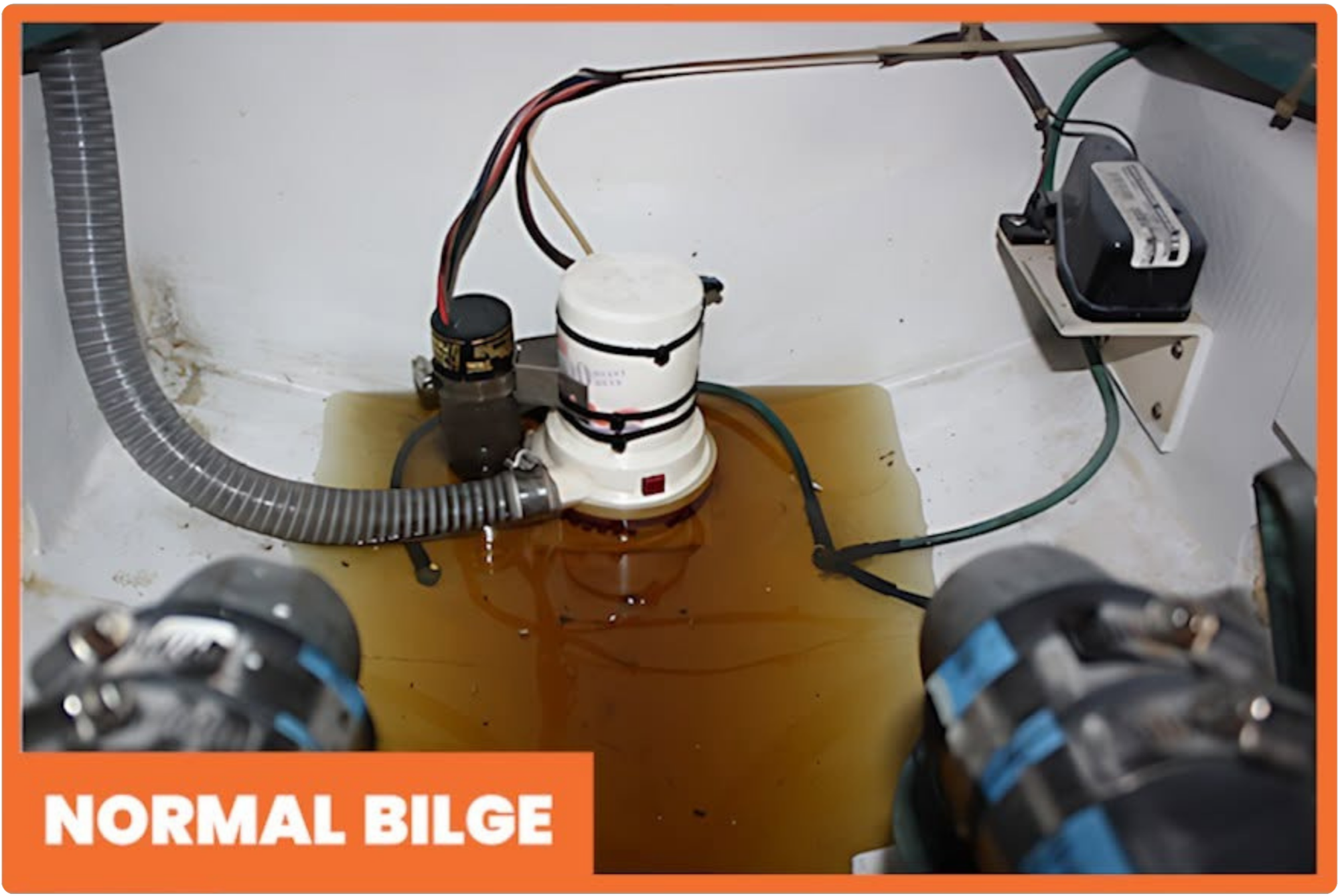
It is physically impossible for a standard bilge pump to remove all of your standing bilge water.
Standard bilge pumps remove water with an impeller or diaphragm, which directly contacts the bilge water. This pump is only activated when the water level reaches a certain height and triggers a float switch— typically 2 to 3 inches deep.
Any water that is below the float switch will still remain in your bilge. While bilge pumps serve a very important role of preventing your vessel from sinking, they were never intended to remove all of your bilge water.
Standing bilge water causes water condensation throughout your boat. Over time, condensation causes corrosion, staining, rust, and flaking paint; this damage will rapidly age any machinery, electrical components, fiberglass, wood, metals, etc. While becoming an eyesore and headache to deal with, condensation damage will greatly decrease the value of your boat.
Mold, Mildew, and the “Old Boat Smell”
Standing bilge water is the root cause of mold and mildew infiltration, as well as the reason your boat has the dreaded “old boat smell”. Mold and mildew colonize in locations that can be impossible to clean, resulting in exposure to mold every time you use your boat— bringing respiratory issues and allergic reactions. While you may become nose-blind to the smell over time, your guests will be uncomfortable when they enter your vessel.
The musty, mildewy odor that every boater knows well is typically masked with deodorizers and cleaners, but the cause remains: standing bilge water. When the water is removed, the odor will dissipate naturally within weeks.
The Solution
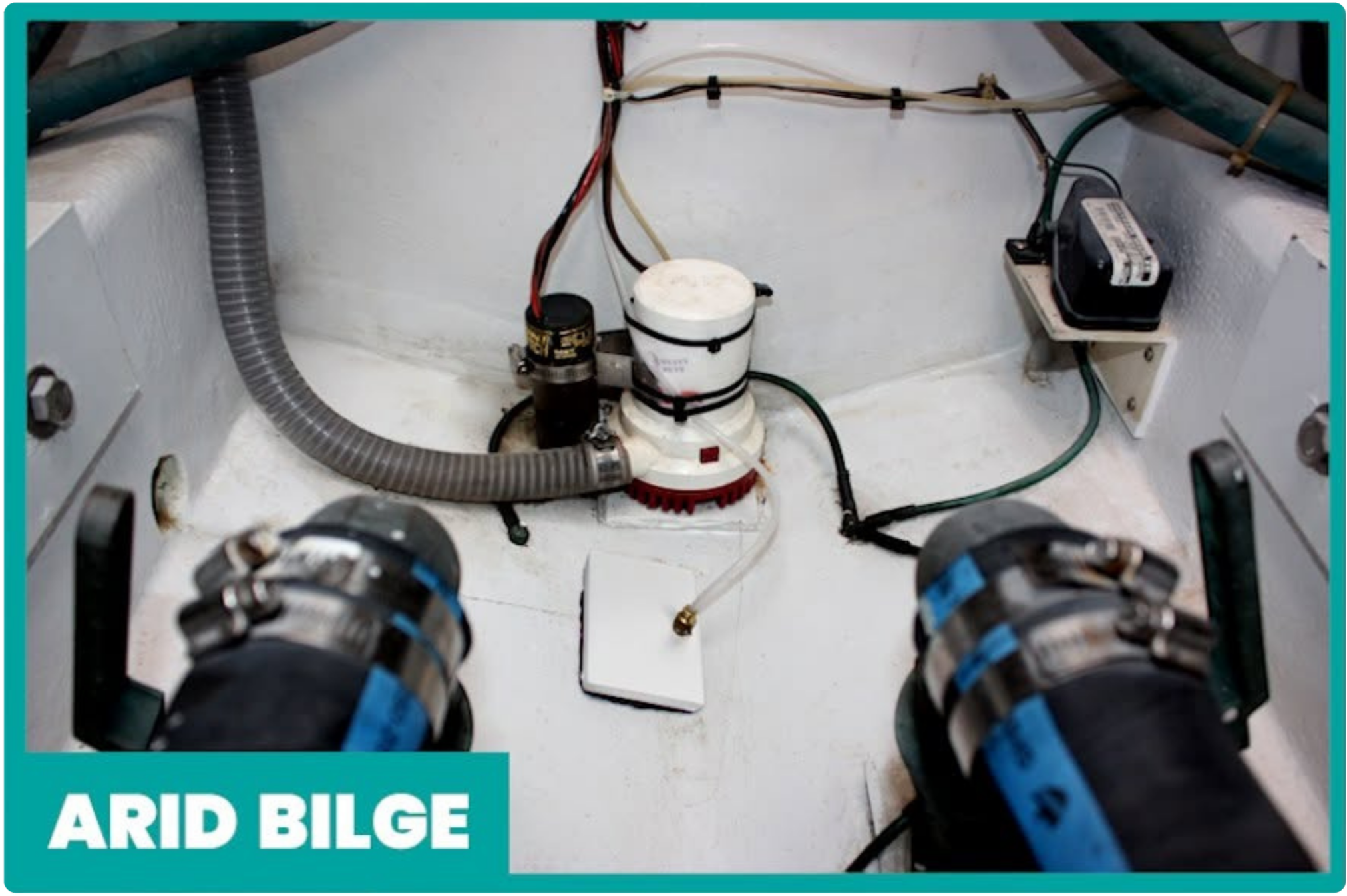
The Arid Bilge System operates under a completely different principle. Instead of pumping water out conventionally, Arid Bilge uses a centralized vacuum system to pull fluid from all of the “wet zones” in your boat’s bilge.
Pickups are placed at every low point of fluid accumulation (bilge, A.C drip pan, shower sump, etc) for up to 11 different areas. These pickups are attached to intake tubes, leading back to the system.
The system is made up of three core components: the processor that controls operation, the compressor that moves air, and a collection chamber. What makes Arid’s technology revolutionary is how the vacuum switch is controlled by vacuum loss in the collection chamber, not water depth.
The system comes on every 3 hours automatically; if no fluid is detected in a zone, the system shuts off and moves to another zone. The system is programmed to vacuum until it starts to pull air; at this point vacuum loss is rapid and the system enters hibernation mode.

A System For Every Vessel
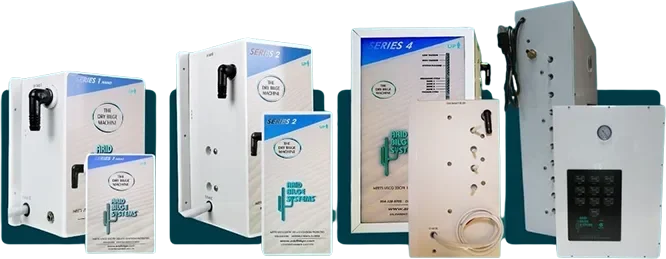
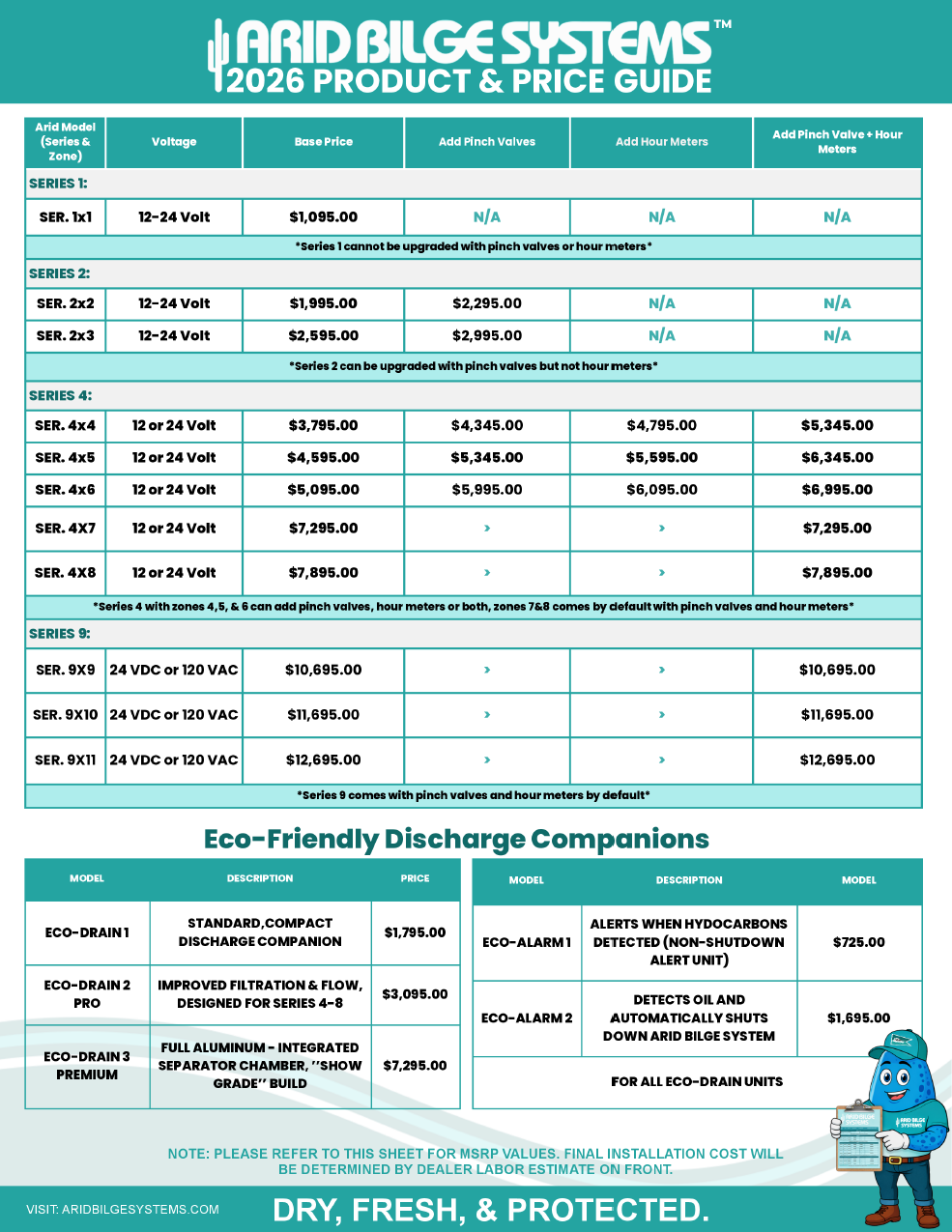
Arid Bilge offers four systems, depending on the size of your boat. All systems are made-to-order, with individualized choices of zones, voltages, valve styles, and pickup styles.
Series 1 — Single Zone Only
Series 2 — Two to Three Zones
Series 4 — Four to Eight Zones
Series 9 HD — Nine to Eleven Zones
Systems can be upgraded to include hour meters, giving you valuable knowledge into how much each individual pickup is running. Knowing this allows you to detect and diagnose water intrusion issues quicker and easier.
Service Request
Fill out the form attached to receive an estimate.
FAQ’s
-
The Arid Bilge System uses vacuum to remove every last drop of bilge water. The system activates automatically every three hours and utilizes a vacuum switch to pull water from the bilge until no water remains and vacuum is lost.
-
A bilge pump is an emergency flotation device that removes most water but leaves 2-3 inches behind due to float switch limitations and impeller cavitation. A bilge vacuum system uses negative pressure to remove 100% of bilge water automatically, achieving a completely dry bilge. The pump prevents sinking; the vacuum system prevents the damage, odor, and degradation caused by standing water.
-
Yes, absolutely. Your bilge pump is a required safety equipment designed to handle emergency water intrusion. The vacuum system handles day-to-day moisture control, keeping your bilge dry while your pump stays fresh and ready for emergencies. You need both systems working together for complete vessel protection.
-
Vacuum systems create negative pressure in a collection chamber, drawing air through small-diameter tubing. That moving air carries water with it—like drinking through a straw. Because the pickup sits flat against the bilge bottom and the system uses Vacuum/ pressure sensors instead of float switches, it can pull from the absolute lowest point until nothing remains.
-
Most owners notice odor reduction within the first hours as the humidity source is eliminated from the moldy air. Within a few days, condensation problems diminish and mold growth stops. Full benefits—including improved survey results and protected resale value—accumulate over the first year and beyond.
-
Yes. Oil, hydraulic fluid, and diesel fuel mixed with bilge water pass through vacuum systems without damaging components. However, environmental regulations prohibit discharging hydrocarbons overboard. Optional oily-water separator add-ons capture petroleum products for proper disposal while allowing clean water to pass through overboard.
-
Standing bilge water causes the persistent “boat smell” that no chemical can eliminate, mold and mildew infiltration throughout fabrics and fiberglass, accelerated corrosion on machinery and electronics, hull osmosis in fiberglass boats, rot in wooden vessels, and significant resale value reduction. It also makes leak detection impossible since you can’t identify new water against a constantly wet baseline.
-
Yes, and this is one of the most valuable benefits. When your bilge is consistently dry, any new water becomes immediately obvious. You can identify developing problems—shaft seal wear, through-hull degradation, deck fitting failures—before they become expensive emergencies. With a traditional pump leaving inches of water behind, small leaks go undetected for months or years.
-
Absolutely. Surveyors and buyers immediately recognize signs of chronic bilge water problems: staining, odor, corrosion patterns, and elevated moisture readings. These issues trigger significant price reductions. A documented history of proper bilge management with dry compartments supports your asking price and makes the vessel more attractive to qualified buyers. Arid is one of the simplest upgrades that immediately adds value to the vessel and also holds its resale value.
-
Vacuum systems are remarkably efficient. A typical system only draws 0.7 amps at 12V DC during active water removal run- cycles. In hibernate mode—where the system spends most of its time—power draw drops to approximately 20 milliamps. Average daily consumption is around 1.6 amp-hours, far less than most onboard electronics.
-
Traditional bilge pumps typically last 2-4 years because submerged components degrade from constant water exposure. Vacuum systems average 5-10 years of service, with some units running 15+ years without repairs. The longevity difference comes from the fundamental design: vacuum system components never contact bilge water, eliminating the primary cause of pump failure.
-
Minimal maintenance is required. Avoid repeated foaming bilge cleaner use, as suds can affect internal components. Besides, you won’t need cleaners since your boat is Dry, Fresh, & Protected. Keep power connected so the system can perform regular checks. Clean your bilge with fresh water once after installation—with the water source eliminated; slime won’t return. There are no impellers to inspect, no submerged components to replace, and no float switches to test.
-
A vacuum system can: remove 100% of bilge water (pumps leave inches behind), operate without components contacting bilge water (extending lifespan), detect when compartments are truly dry (pumps can’t distinguish), eliminate the odor source rather than managing symptoms, enable leak detection against a dry baseline, and reduce below-deck humidity that damages equipment and furnishings.
-
No, they are fundamentally completely different technologies serving different purposes. A bilge pump is emergency equipment that prevents sinking. A vacuum system is precision equipment that prevents the ongoing damage caused by standing water. Comparing them is like comparing a smoke detector to an air purifier: both relate to air quality, but they solve completely different problems.
-
All boats benefit, but the return is highest for vessels where owners spend significant time aboard, boats kept in wet slips year-round, yachts where resale value matters, older vessels with minor but persistent leaks, wooden boats requiring strict moisture control, and any boat where that “boat smell” has become a chronic annoyance.